



Women’s Interview Outfit Guide What to Wear to Make a Great First Impression

Updated: Aug 13
A great interview outfit does not need to be expensive, trendy, or perfectly styled. It needs to help people notice your presence, not your clothing first. The right look supports the message you want to send: prepared, capable, polished, and ready for the role.
For women, interview dressing can feel loaded with extra decisions. Dress or pants? Heels or flats? Makeup or no makeup? How much personality is too much? The best answer is rarely one strict formula. A strong interview outfit fits the company, the job, the season, and the way you move through the world.
This guide breaks it down in a practical way, from industry dress codes to color, fit, shoes, accessories, grooming, and last-minute checks.
Start with the interview setting
Before choosing an outfit, look at the environment. The same black dress can feel too formal in one room and too casual in another. A structured blazer might be perfect for finance, but unnecessary for a small creative studio.
Use the company’s public presence as a clue. Look at its website, employee photos, recruiting materials, and public events. You are not copying anyone. You are reading the room before you enter it.
Most interview settings fall into one of these dress-code levels.
Interview setting | Best outfit direction | What to avoid |
Corporate or finance | Suit, tailored separates, sheath dress with jacket | Trend-heavy pieces, very casual shoes |
Business casual office | Blouse with trousers, skirt with cardigan, polished dress | Jeans unless clearly normal there |
Creative role | Clean base outfit with one expressive detail | Costume-like styling, distracting accessories |
Retail or hospitality | Neat, approachable, brand-aware look | Anything wrinkled, loud, or impractical |
Healthcare or education | Comfortable, modest, tidy outfit | Strong fragrance, hard-to-move-in clothing |
Remote interview | Polished top half, clean background, simple colors | Busy prints, pajama-level comfort |
If the company dress code is unclear, aim one step more polished than what employees likely wear day to day. That keeps you respectful without looking out of place.
Build the outfit around one polished base
A good interview outfit starts with a reliable base. Think of it as the foundation. Once the base works, shoes, jewelry, bag, and beauty choices become easier.
Strong base options include:
A tailored blazer with straight-leg trousers
A blouse or fine-knit top with a pencil skirt or A-line skirt
A sheath dress with a jacket or cardigan
A button-front shirt with ankle-length pants
A polished sweater with wide-leg trousers
A simple midi dress with closed-toe shoes
The goal is to look intentional. Clothing should sit smoothly, allow you to sit and stand comfortably, and stay in place while you talk.
For a traditional interview, a suit still works well. It does not have to be stiff or old-fashioned. A navy, black, charcoal, olive, or taupe suit with a simple top can look modern and calm. If a full suit feels too formal, wear one structured piece, such as a jacket, with a softer blouse or knit underneath.
For a more relaxed workplace, separates often feel more natural. A blouse with trousers, a cardigan over a dress, or a refined sweater with a skirt can strike the right balance.
Choose colors that support your message
Color shapes first impressions quickly. That does not mean every interview outfit must be black. It means your colors should feel deliberate.
Safe interview colors include:
Navy
Charcoal
Black
White
Ivory
Camel
Taupe
Soft blue
Deep green
Burgundy
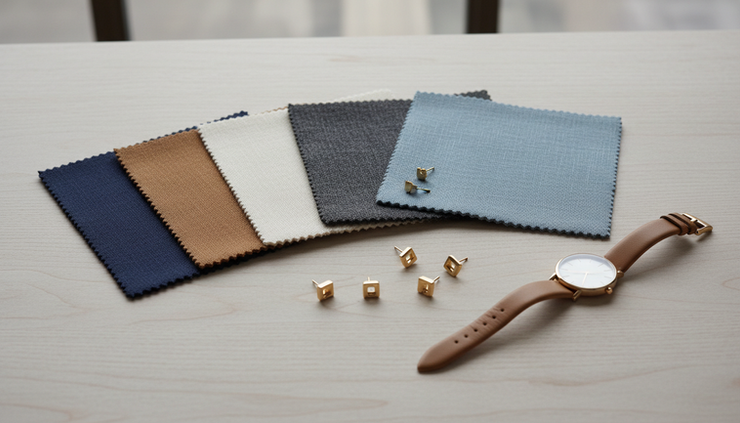
Navy is one of the easiest choices because it feels calm, sharp, and less severe than black. Charcoal works well in conservative settings. Black can look elegant, but it may read more formal depending on the cut and fabric. White and ivory are crisp, though they can show stains and wrinkles faster.
If you want to add color, use it with control. A burgundy blouse under a navy jacket, a soft blue shirt with gray pants, or a green dress with simple shoes can look confident without feeling loud.
Prints can work too. Choose small, low-contrast patterns such as thin stripes, subtle dots, or a quiet floral. Avoid busy prints that draw attention away from your face, especially for video interviews.
Pay close attention to fit
Fit matters more than brand. A basic outfit that fits well will almost always look better than an expensive outfit that pulls, gaps, or wrinkles.
Check these areas before interview day:
Shoulder seams should sit near the edge of your shoulders.
Buttons should not pull across the chest.
Waistbands should not dig in or slide down.
Skirts and dresses should feel comfortable when seated.
Pants should not drag on the floor.
Sleeves should not cover your hands.
Necklines should stay in place when you lean forward.
Sit in your full outfit before you commit to it. Interviews involve sitting, standing, shaking hands, walking, and sometimes touring a workspace. Clothing that looks good in the mirror can behave differently once you move.
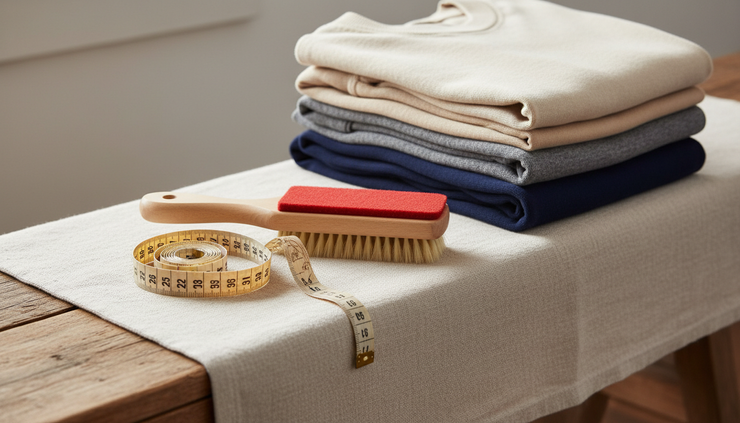
If you have something you love but the fit is slightly off, tailoring can make a major difference. Hemming pants, adjusting sleeves, or taking in a blazer can turn an average piece into a dependable interview staple.
Dress for the role without losing yourself
An interview outfit should match the role, but it should also feel like something you can actually wear. If you never wear skirts, an interview is not the best time to force one. If heels make you uncomfortable, choose polished flats, loafers, or low block heels.
The most confident outfit is usually the one that combines polish with ease.
For a leadership role, structured pieces often help. A blazer, clean lines, and restrained accessories can support authority. For a client-facing role, choose something approachable and refined, such as a soft blouse with tailored pants. For a creative role, keep the base neat and add one personal detail, such as an interesting necklace, textured jacket, or tasteful color.
Avoid using clothing to play a character. The goal is not to erase your style. It is to edit it for the moment.
Pick shoes you can walk in
Shoes can change the whole feel of an outfit. They also affect posture and comfort. Choose a pair that looks clean, fits well, and lets you walk with ease.
Good interview shoe options include:
Closed-toe flats
Loafers
Ballet flats with structure
Low block heels
Ankle boots in good condition
Simple pumps
In most interviews, extremely high heels are not necessary. If you love heels and walk well in them, a moderate heel can look polished. If not, flats are completely appropriate when they are clean and intentional.
Make sure soles are not worn down, toes are not scuffed, and shoes do not squeak or pinch. Break in new shoes before the interview. A painful shoe can distract you more than you expect.
For winter or rainy weather, wear practical shoes for the commute and change when you arrive if needed. Just plan where and how you will do that without stress.
Keep accessories simple and purposeful
Accessories should finish the outfit, not compete with it. A few well-chosen pieces can make the look feel complete.
Good options include:
Small hoops or studs
A simple necklace
A watch
A slim belt
A structured tote or satchel
A neat hair accessory
Choose one or two focal points at most. If your earrings stand out, keep the necklace minimal. If your blouse has a bow, skip a necklace. If your jacket has interesting texture, let that be enough.
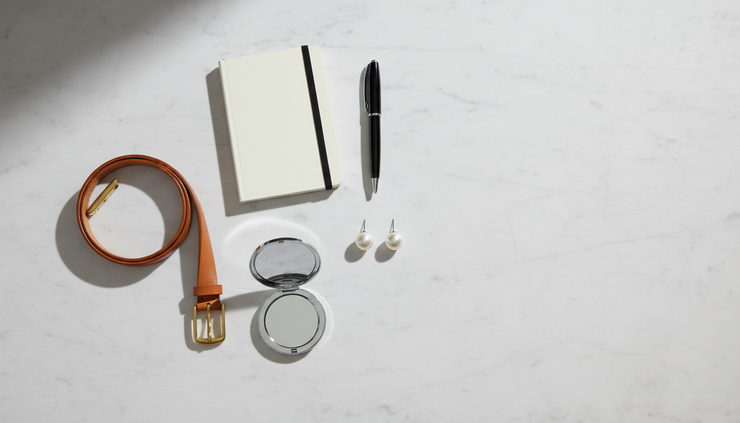
Your bag should hold what you need without looking overstuffed. Bring copies of your resume if relevant, a pen, a small notebook, breath mints, and any essentials for touch-ups. A clean tote, satchel, or simple shoulder bag works well.
Avoid noisy jewelry, oversized bags that look chaotic, or accessories you will fidget with. If you tend to twist bracelets or adjust rings when nervous, leave them at home.
Treat grooming as part of the outfit
Grooming does not mean looking one specific way. It means showing care and preparation.
Hair can be worn down, up, natural, straight, curly, braided, covered, cropped, or styled in any way that feels true to you. The key is that it looks intentional and does not distract you. If you keep pushing it out of your face, choose a clip, tie, headband, or style that stays put.
Makeup is optional. If you wear it, choose a look that makes you feel awake and comfortable. If you do not wear makeup, clean skin and basic grooming are enough. The same applies to nails. They can be polished or bare, short or longer, as long as they look neat and do not make daily tasks difficult.
Avoid strong fragrance. Interviews often happen in small rooms, shared spaces, or healthcare-adjacent environments. A scent you love may bother someone else. If you use perfume, keep it very light or skip it.
Plan differently for video interviews
Video interviews have their own rules. Your outfit needs to work on camera, not just in person.
Choose a top that contrasts with your background. If you sit against a white wall, avoid a plain white blouse. If your background is dark, choose a lighter or richer color. Solid colors usually look best on camera. Tiny stripes and small checks can create visual distortion on screen.
Good video interview tops include:
A solid blouse
A fine-knit sweater
A clean button-front shirt
A blazer over a simple top
A structured cardigan
Dress fully, not only from the waist up. Wearing complete clothing helps you stay in interview mode. It also prevents awkwardness if you need to stand up.
Check your neckline, lighting, and camera angle before the call. The camera should be near eye level. Your face should be well lit from the front. Your outfit should not blend into your chair or background.
Avoid common interview outfit mistakes
Most outfit mistakes are easy to prevent with a little planning.
Try to avoid:
Clothes that are wrinkled, stained, or covered in lint
Shoes that hurt or make noise
Necklines, hems, or waistbands that need constant adjustment
Very sheer fabrics without the right underlayer
Strong fragrance
Distracting logos or slogans
Too many accessories
Anything you have never worn before
The last point matters. An interview is not the best time to test a new style, new shoes, or a new beauty routine. Wear the outfit once at home. Sit, walk, reach, and check it in natural light. If something bothers you after 10 minutes, it will probably bother you during the interview.
Use a simple outfit formula when you feel stuck
If the closet feels overwhelming, use a formula. It takes the pressure off and helps you get dressed faster.
Classic formula
Navy blazer, ivory blouse, gray trousers, loafers
Modern formula
Monochrome trousers and top, structured jacket, simple flats
Video formula
Solid top, small earrings, neat hair, jacket nearby
Soft formula
Knit top, midi skirt, cardigan, low heels
Creative formula
Neutral base, textured layer, one colorful accessory
Warm-weather formula
Light blouse, ankle pants, breathable layer, closed-toe flats
These formulas are starting points. Adjust them for your body, weather, commute, and the company. The best interview outfit is one you do not have to think about once the conversation begins.
Make a plan the night before
The night before your interview, lay out everything. This includes underwear, socks or hosiery, shoes, bag, outerwear, and accessories. Try on the full look if you have not already.
Do a final check:
Steam or iron clothing.
Remove lint and pet hair.
Check for loose threads.
Clean shoes.
Pack your bag.
Check the weather.
Plan your commute.
Set aside a backup top if spills are a risk.
A backup plan reduces stress. If coffee lands on your blouse or the weather shifts, you will not have to rebuild the outfit from scratch.

Let the outfit support the conversation
The right interview outfit helps you feel ready, but it is only one part of the impression you make. Your preparation, answers, listening, and follow-up matter more.
Still, clothing can remove friction. When your outfit fits, feels comfortable, and suits the setting, you can focus on the work you have done and the value you bring.
A simple rule works for almost every interview: choose something clean, polished, comfortable, and slightly more dressed than the everyday standard for that workplace. Add one detail that feels like you. Then stop adjusting and walk in ready to talk.


Comments